
2026 NBA Final Mock Draft
The 2026 NBA Draft is shaping up to be one of the most unpredictable classes in recent memory. There is an immense number of freshman talent, but there’s no clear consensus at the top, plenty of debate across boards, and real franchise-altering swings waiting to happen. From explosive creators to high-upside international prospects and versatile defensive pieces, this class is defined by variance as much as talent. Every pick inside the lottery feels like a decision that could change a franchise’s direction.
1. Washington Wizards: AJ Dybansta, BYU
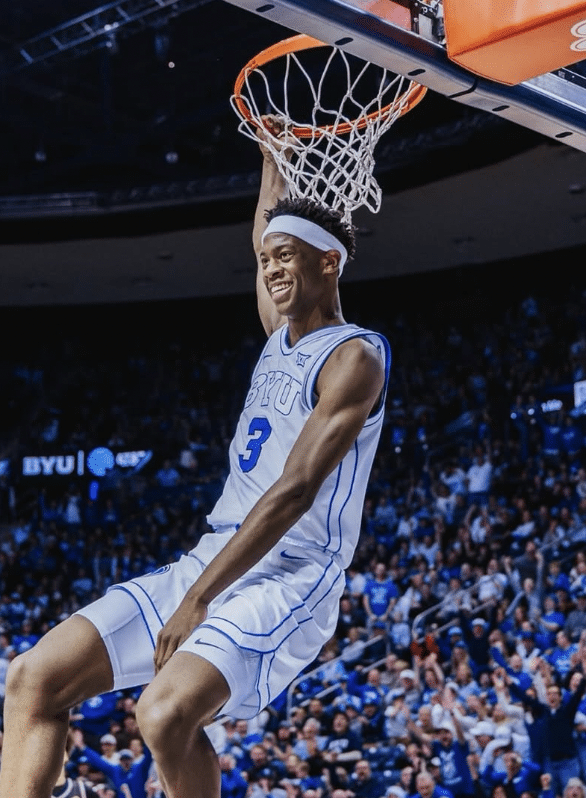
Photo via @aj.dybansta / Instagram
The Wizards land the most physically gifted wing in the class. Dybantsa brings elite scoring upside, positional size, and two-way potential that fits perfectly with a rebuilding roster. His development path will be centered around consistency as a shot creator and decision-maker, but the talent ceiling is franchise-altering if it all clicks.
Player comparison: Paul George / Tracy McGrady
2. Utah Jazz: Darryn Peterson, Kansas
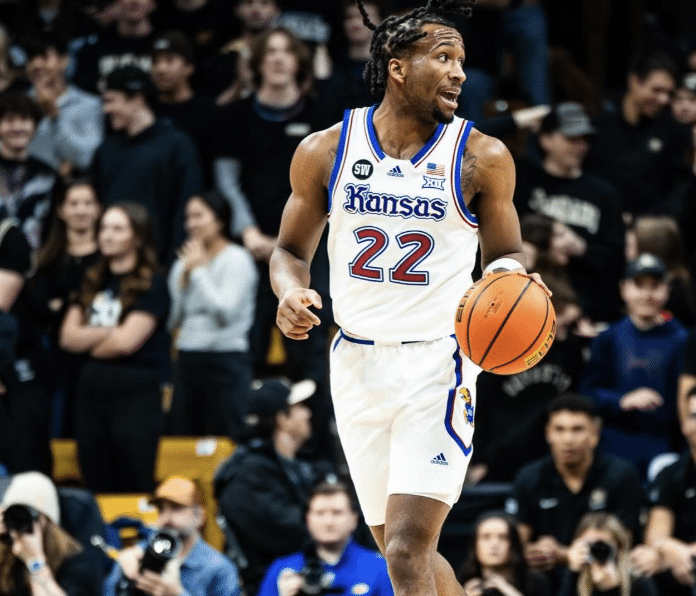
Photo via @darrynp1 / Instagram
Peterson is widely viewed as the most complete guard in the class from a talent standpoint. Concerns about long-term decision-making consistency and off-court evaluations may be the only things keeping him out of the top selection. Utah gets a dynamic three-level scorer who can create offense at will and develop into a franchise cornerstone.
Player comparison: Devin Booker / Bradley Beal
3. Memphis Grizzlies: Cameron Boozer, Duke
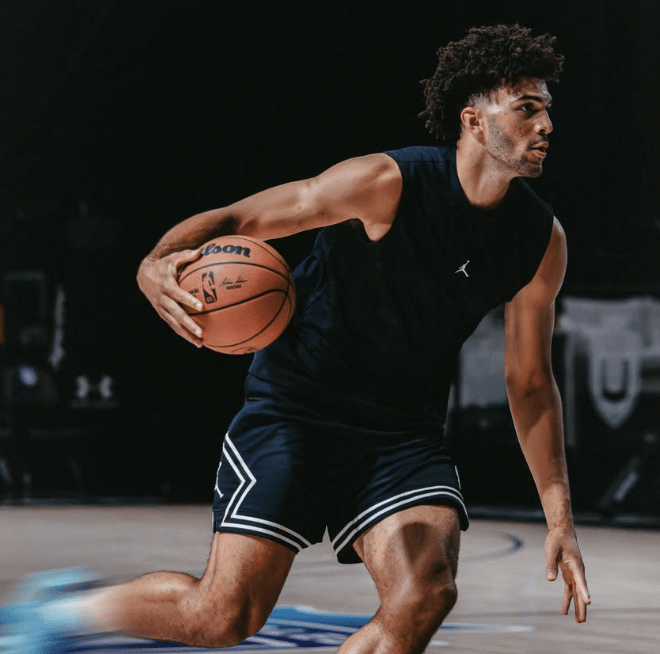
Photo via @cameronboozer / Instagram
Memphis adds a high-IQ forward who impacts winning immediately. Boozer is a dominant interior scorer with excellent feel and rebounding instincts, though his lack of elite burst and inconsistent perimeter scoring raises questions about his long-term offensive ceiling. He projects best as a modern power forward who thrives in structure.
Player comparison: Kevin Love / Al Horford
4. Chicago Bulls: Caleb Wilson, North Carolina
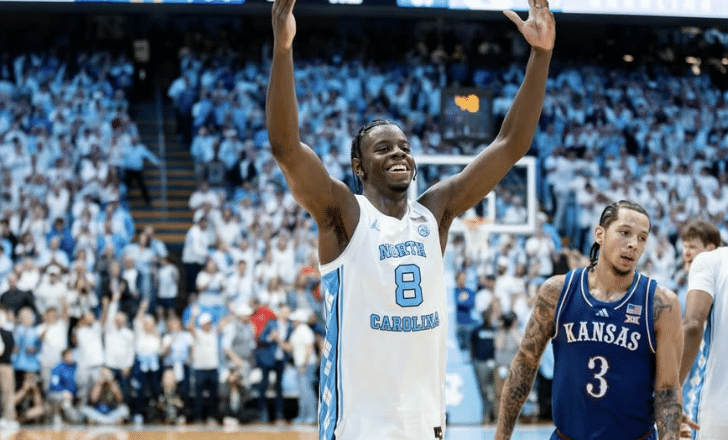
Photo via @c.dubbb / Instagram
Wilson is one of the most versatile forwards in the class. He flashes scoring ability at all three levels and brings real defensive versatility when engaged. The main swing skill is perimeter shooting consistency, but the upside as a two-way wing makes him a strong lottery gamble for Chicago.
Player comparison: Evan Mobley / Scottie Barnes
5. Los Angeles Clippers: Keaton Wagler, Illinois
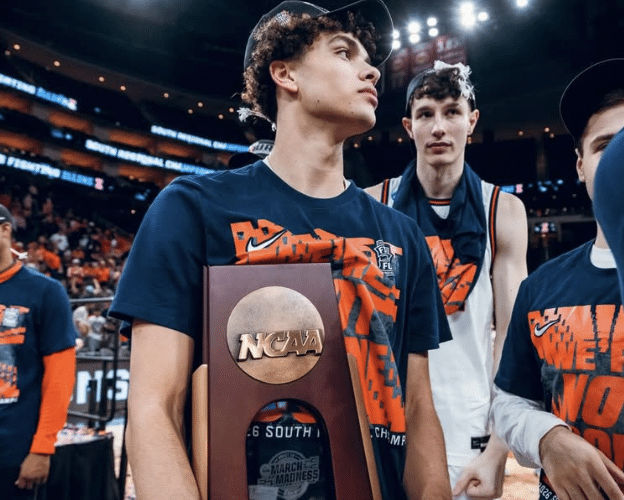
Photo via @k3aton_w / Instagram
Wagler is a polished scoring guard who plays with poise and control. He can operate in pick-and-roll situations, hit midrange pull-ups, and defend multiple guard spots. The Clippers add a ready-made rotation guard who can contribute early while still offering developmental upside.
Player comparison: Tyrese Haliburton / Austin Reaves
6. Brooklyn Nets: Mikel Brown Jr., Louisville
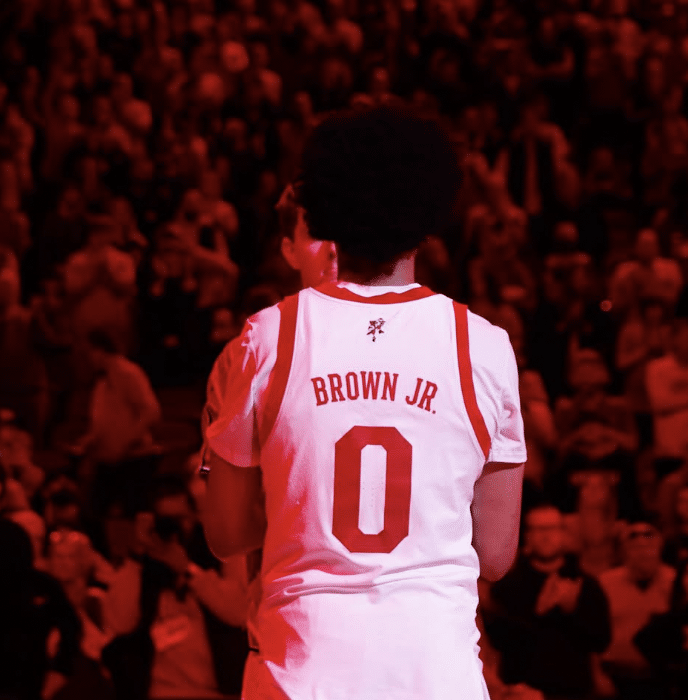
Photo via @mikel_brownjr / Instagram
Brooklyn lands a creative guard with legitimate scoring and playmaking flashes. Brown is comfortable creating off the dribble and has the skill set to grow into a lead initiator. His consistency and shot selection will determine whether he becomes a starter or high-level bench creator.
Player comparison: Anfernee Simons / Derrick White
7. Sacramento Kings: Darius Acuff Jr., Arkansas
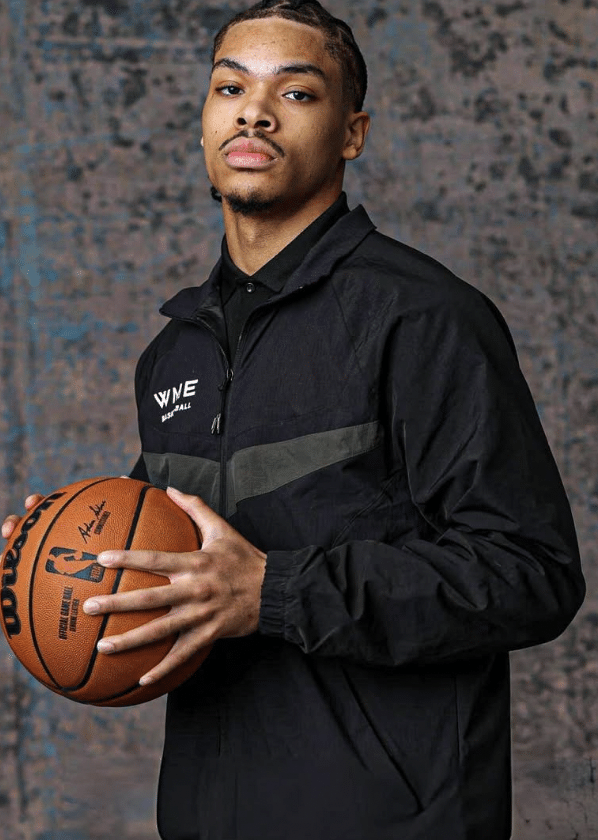
Photo via @acuffvids / Instagram
Acuff is one of the most explosive scorers in the class. He thrives in isolation, can take over stretches of games, and shows real late-clock creation ability. Defensive consistency remains a concern, but the offensive upside is undeniable.
Player comparison: Jamal Murray / Darius Garland
8. Atlanta Hawks: Kingston Flemings, Houston
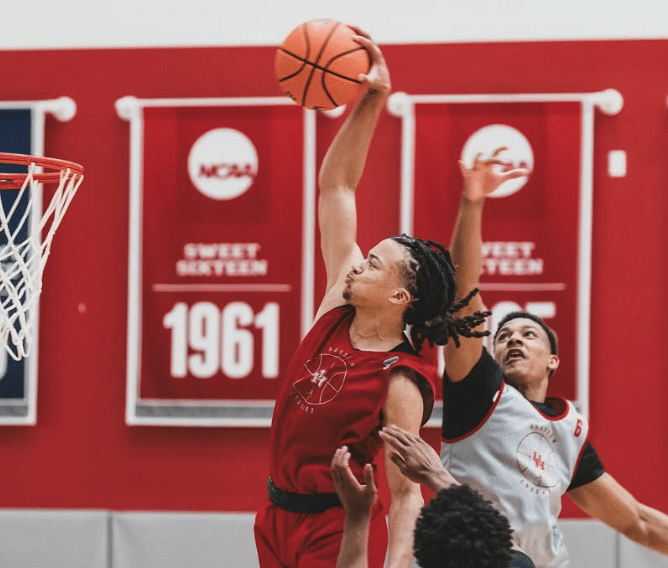
Photo via @k1ng_flemings / Instagram
Flemings is a dynamic lead guard with elite burst and two-way potential. He plays with pace, pressure, and aggression, constantly collapsing defenses. His offensive game is still raw, but the athletic tools and defensive upside make him a high-ceiling selection.
Player comparison: John Wall / De’Aaron Fox
9. Dallas Mavericks: Aday Mara, Michigan
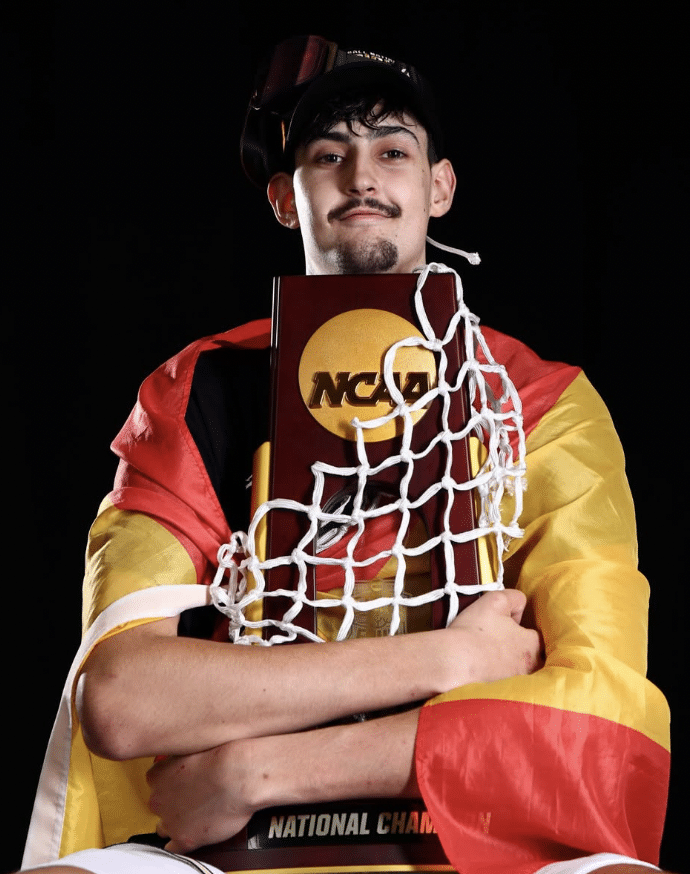
Photo via @adaymara15 / Instagram
Dallas adds a 7-foot-3 interior presence who immediately changes the offensive and defensive geometry of the floor. Mara is a skilled passing big with elite size, and pairing him with a perimeter star gives Dallas a unique twin-tower offensive structure under new leadership in Dusty May.
Player comparison: Domantas Sabonis / Zydrunas Ilgauskas
10. Milwaukee Bucks: Nate Ament, Tennessee
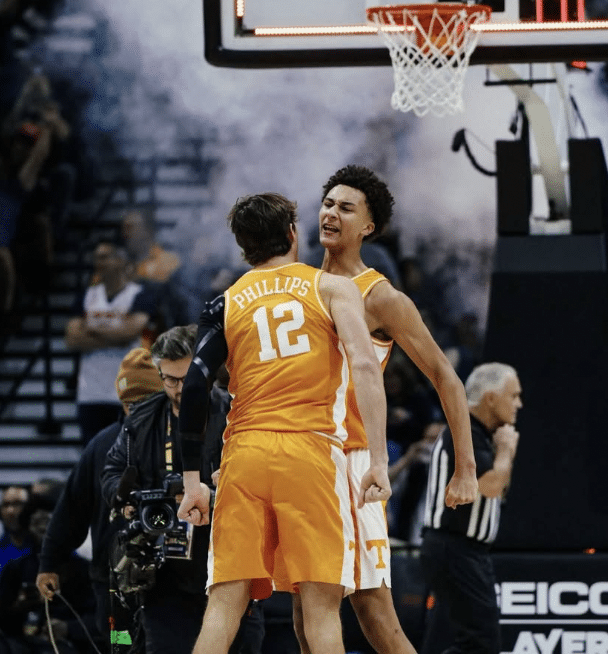
Photo via @ament_nate / Instagram
Ament is a long-term developmental wing with intriguing physical tools and shot-making flashes. His consistency and strength remain questions, but the upside as a versatile scoring forward makes him worth the investment as Milwaukee transitions into a new era.
Player comparison: Brandon Ingram / Michael Porter Jr.
11. Golden State Warriors: Brayden Burries, Arizona
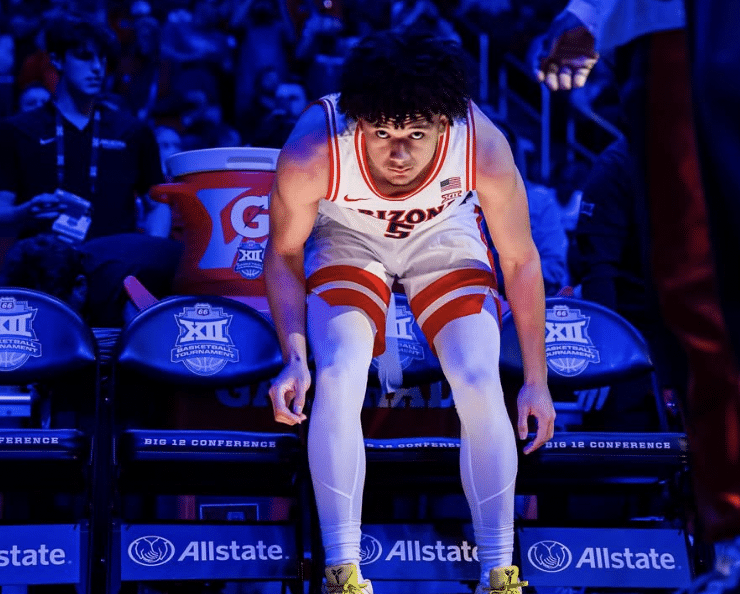
Photo via @braydenburries0 / Instagram
Golden State finds a potential long-term guard solution. Burries is a skilled scorer with shot-making ability and composure as a ball-handler. While not an elite athlete, his feel for the game and offensive polish make him an NBA-ready contributor.
Player comparison: Derrick White / Jrue Holiday
12. Oklahoma City Thunder: Yaxel Lendeborg, Michigan
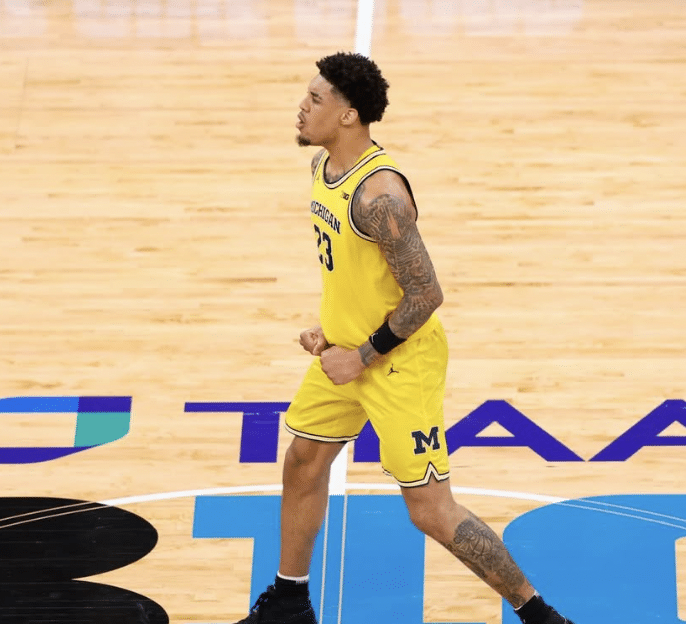
Photo via @yaxellendeborg / Instagram
One of the highest-impact players in the draft, Lendeborg brings versatility, rebounding, and defensive flexibility. His age is the only real concern, but his complete two-way impact makes him a perfect fit for Oklahoma City’s system.
Player comparison: Franz Wagner / Pascal Siakam
13. Miami Heat: Karim Lopez, New Zealand
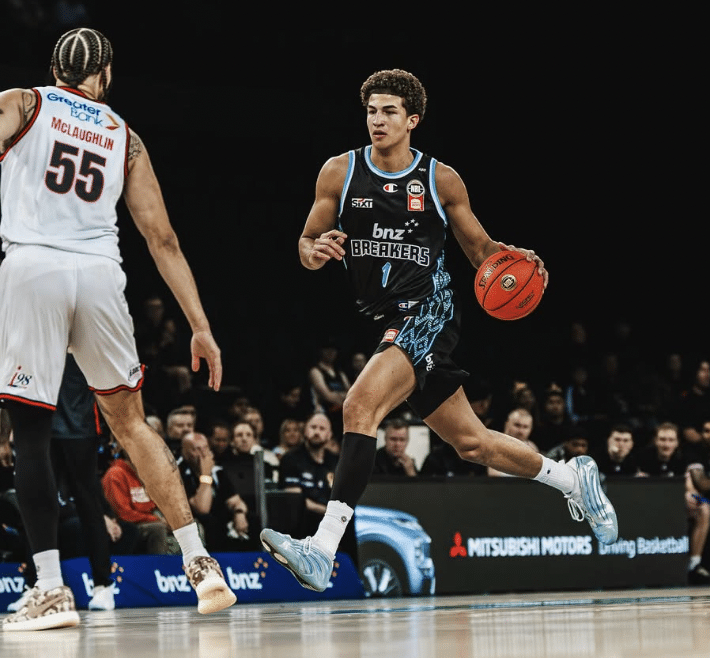
Photo via @karim_lopez21 / Instagram
Lopez is a long, versatile forward with clear developmental upside. He brings defensive switchability and offensive versatility in transition. Miami’s development system makes this an ideal landing spot for a high-upside international prospect.
Player comparison: Jonathan Kuminga / Kyle Anderson
14. Charlotte Hornets: Hannes Steinbach, Washington
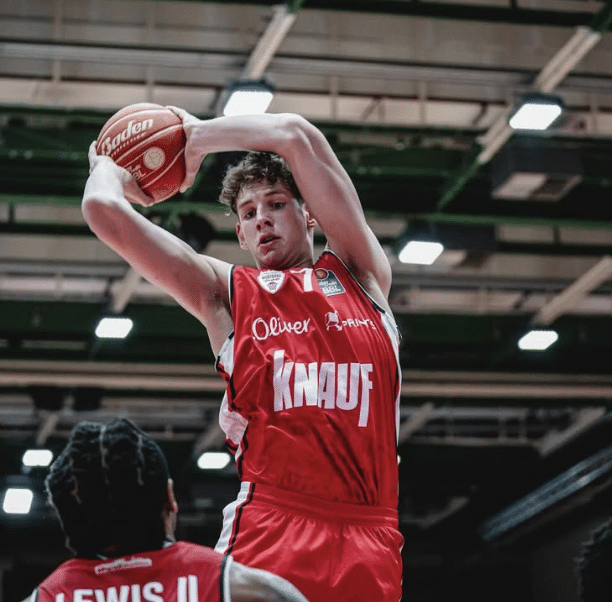
Photo via @hannes__6 / Instagram
Steinbach is a skilled big with floor-spacing ability and solid interior presence. He plays with good feel and has the size to contribute early in a rotational role. Charlotte adds frontcourt depth with long-term upside.
Player comparison: Naz Reid / Ivicia Zubac
15. Chicago Bulls: Morez Johnson Jr., Michigan
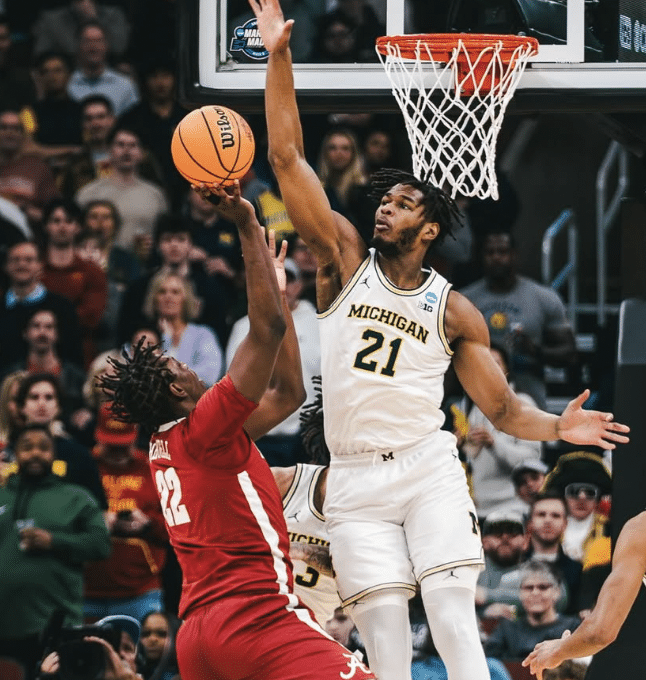
Photo via @morezjohnsonjr / Instagram
Johnson brings energy, physicality, and rebounding impact. He is not a primary scorer, but his motor and interior presence make him a valuable rotation piece. This is a strong value pick at this stage of the draft.
Player comparison: Tristan Thompson / Montrezl Harrell
16. Memphis Grizzlies: Cameron Carr, Baylor
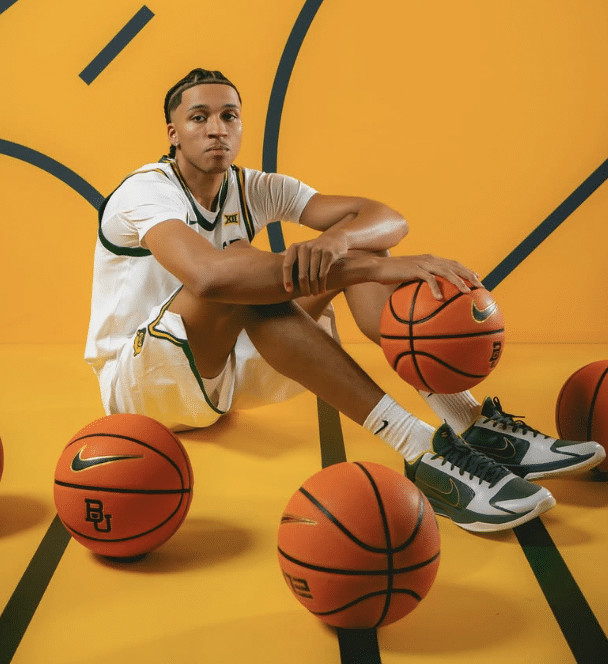
Photo via @whois.camcarr / Instagram
Carr is an explosive wing with length, defensive upside, and scoring flashes off the dribble. His consistency will determine his role, but the physical tools and defensive potential are exactly what Memphis values.
Player comparison: Desmond Bane / Malik Beasley
17. Oklahoma City Thunder: Bennett Stirtz, Iowa
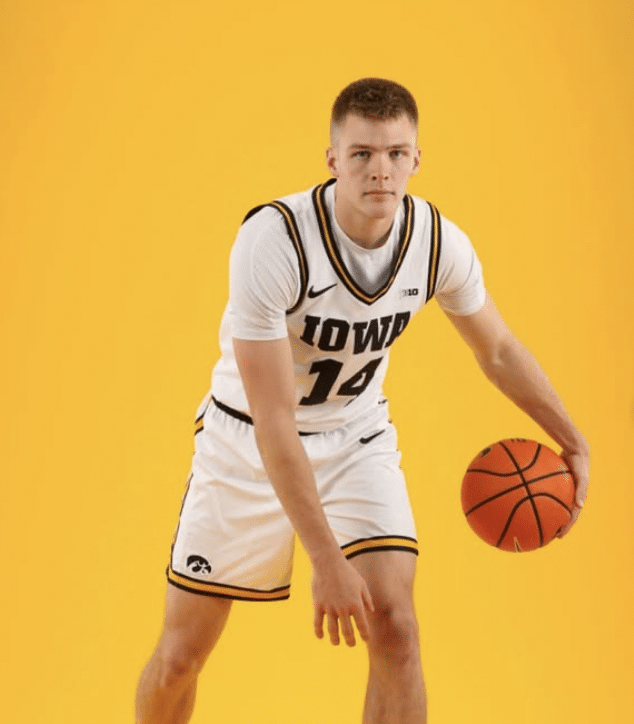
Photo via @bennett_stirtz / Instagram
Stirtz is a steady, intelligent guard who controls tempo and limits mistakes. He is an ideal second-unit stabilizer, capable of running offense efficiently while SGA rests.
Player comparison: Ty Jerome / Monte Morris
18. Charlotte Hornets: Allen Graves, Santa Clara
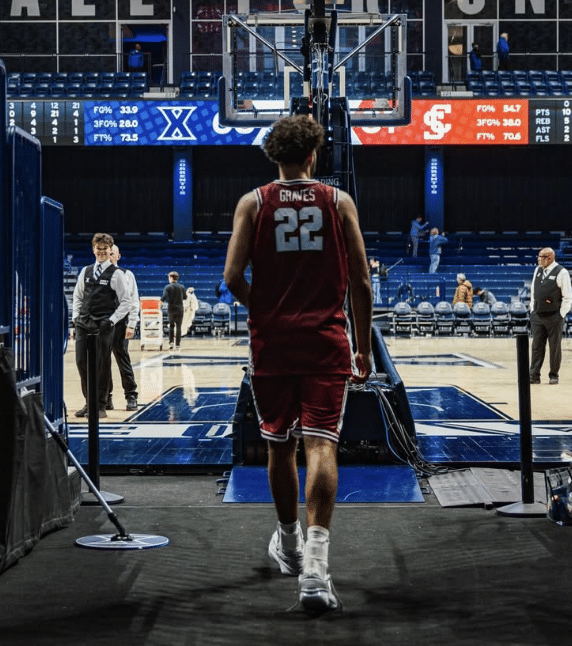
Photo via @allengraves__22 / Instagram
Graves is a physical forward who brings defensive versatility and outside shooting. His role will be defined by consistency, but he projects as a strong rotational forward in the NBA.
Player comparison: Tari Eason / PJ Tucker
19. Toronto Raptors: Labaron Philon Jr., Alabama
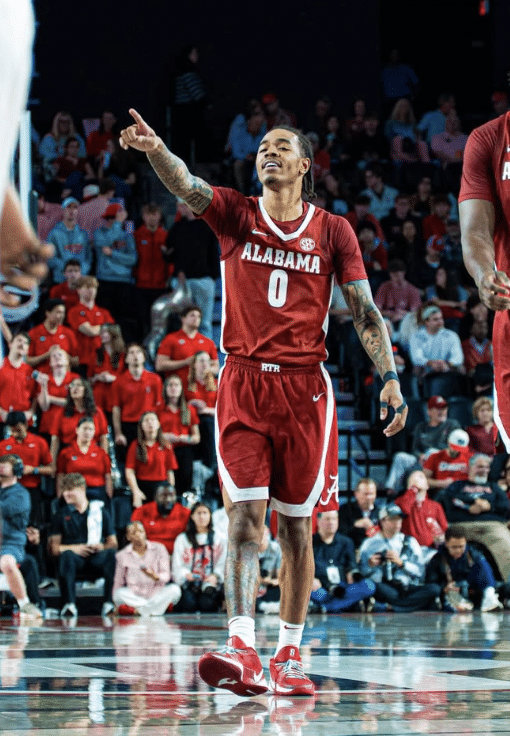
Photo via @b1rron / Instagram
Toronto lands a polished lead guard with excellent pace control and scoring versatility. Philon fits well as a long-term backcourt piece alongside Scottie Barnes due to his ability to run offense and create in the half court.
Player comparison: Tony Parker / Mike Conley
20. San Antonio Spurs: Chris Cenac Jr., Houston
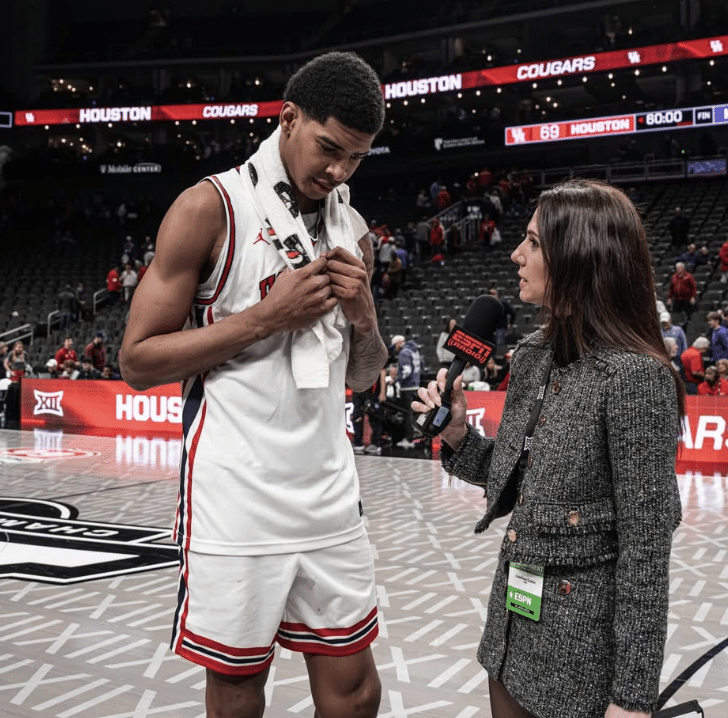
Photo via @chriscenac1 / Instagram
Cenac is a high-upside defensive big who thrives as a rim protector and vertical threat. His physical tools are elite, and developing alongside Wembanyama could maximize his long-term potential.
Player comparison: Onyeka Okongwu / Robert Williams III
21. Detroit Pistons: Christian Anderson, Texas Tech
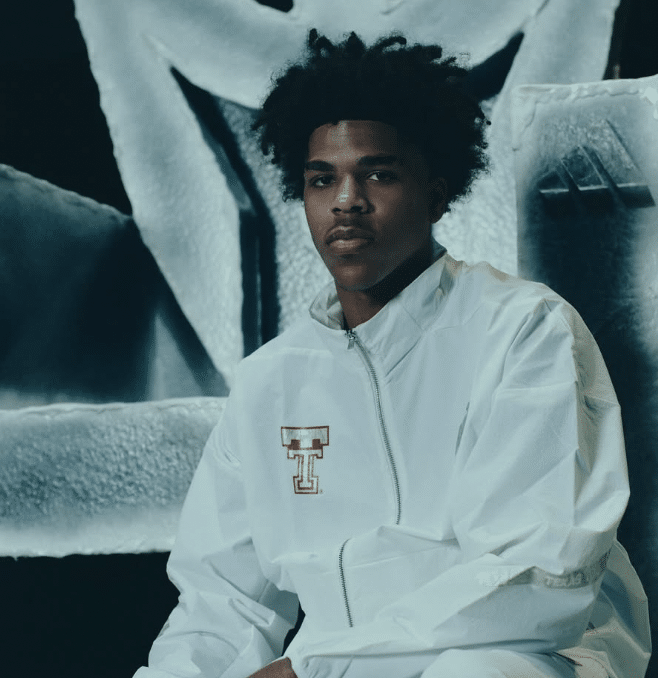
Photo via @christiananderson2024 / Instagram
Anderson is a controlled pick-and-roll guard who brings stability and offensive organization. He is not flashy, but his efficiency and decision-making make him a strong developmental fit next to Cade Cunningham.
Player comparison: Malcolm Brogdon / Jalen Brunson
22. Philadelphia 76ers: Koa Peat, Arizona

Photo via @koapeat / Instagram
Peat is a powerful forward who impacts the game through strength, finishing, and versatility. His offensive game is still developing, but his physical tools and motor make him an intriguing long-term piece.
Player comparison: Miles Bridges / Aaron Gordon
23. Atlanta Hawks: Jayden Quaintance, Kentucky
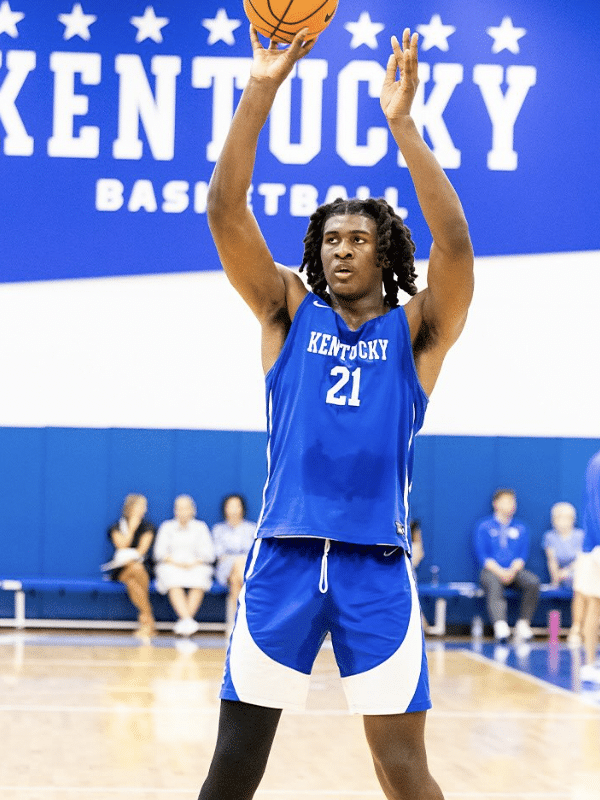
Photo via @qjay_21 / Instagram
Quaintance offers elite defensive upside and rim protection potential. Despite injury concerns, his age and athletic tools make him one of the highest-risk, highest-reward players in the draft.
Player comparison: Bam Adebayo / Jalen Duren
24. New York Knicks: Dailyn Swain, Texas
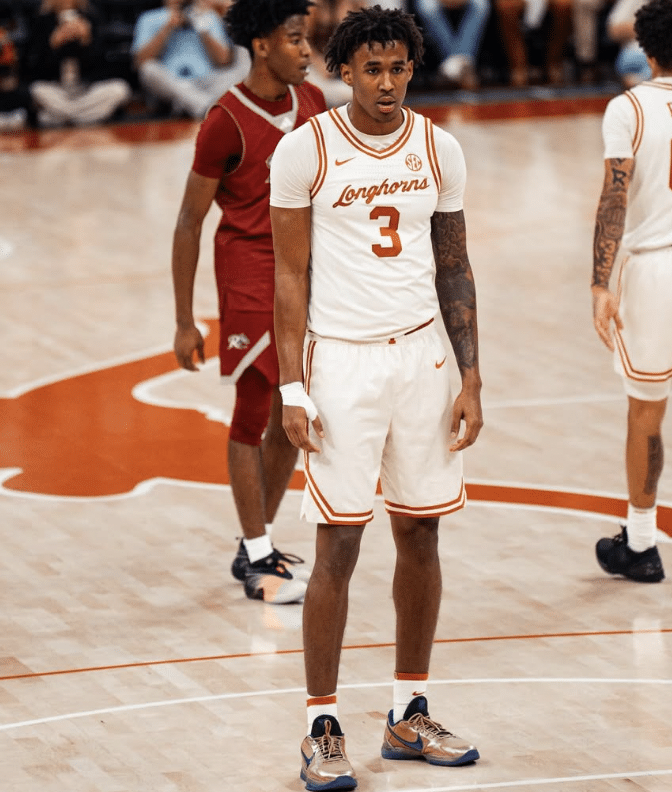
Photo via @dailynswain / Instagram
Swain is a defensive-minded wing who brings versatility, physicality, and transition value. His shooting consistency will determine his ceiling, but he projects as a strong rotational piece.
Player comparison: OG Anunoby / De’Anthony Melton
25. Los Angeles Lakers: Isaiah Evans, Duke
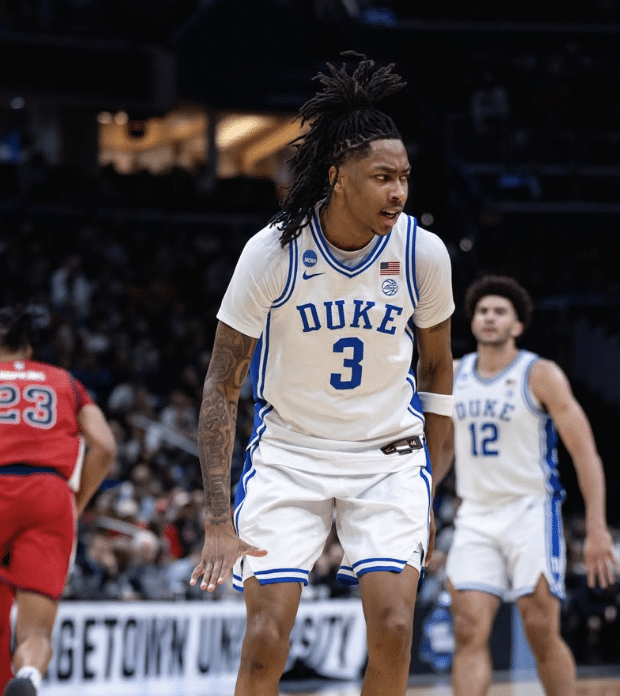
Photo via @showtime.slim / Instagram
Evans is a high-level movement shooter with elite floor spacing ability. His shooting gravity fits perfectly alongside Luka Dončić, giving the Lakers a reliable perimeter threat.
Player comparison: Buddy Hield / Grayson Allen
26. Denver Nuggets: Ebuka Okorie, Stanford
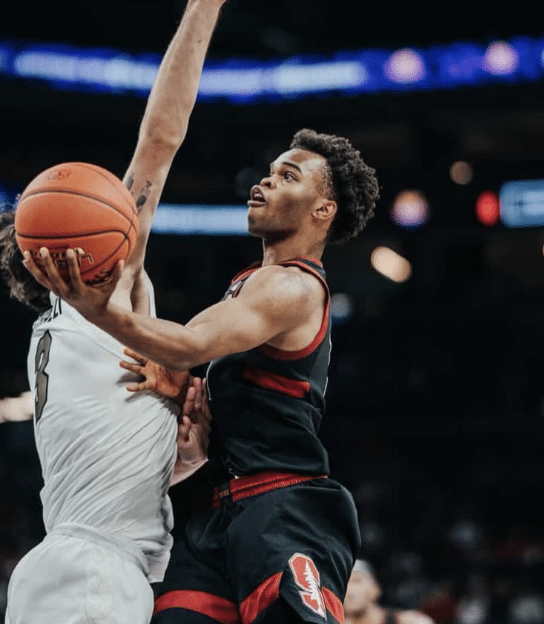
Photo via @ebukaokorie_ / Instagram
Okorie is a dynamic scoring guard with burst and shot creation ability. His size is a concern, but his ability to generate offense in bunches makes him a strong developmental fit behind Jamal Murray.
Player comparison: Kemba Walker / Isaiah Joe
27. Boston Celtics: Henri Veesaar, North Carolina
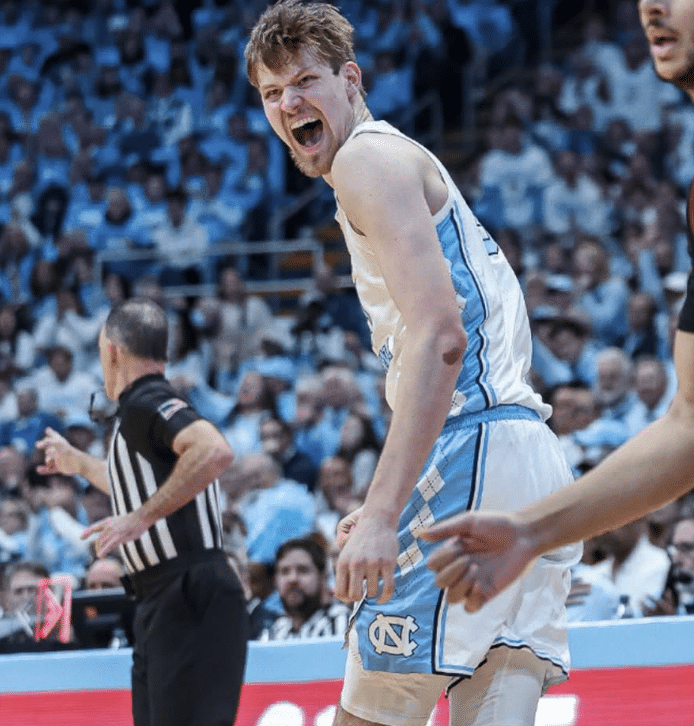
Photo via @greatdaytarheel / Instagram
Boston addresses frontcourt depth with a skilled stretch big. Veesaar offers floor spacing, passing touch, and rebounding ability, making him a versatile rotational piece in their system.
Player comparison: Alperen Sengun / Kelly Olynyk
28. Minnesota Timberwolves: Meleek Thomas, Arkansas
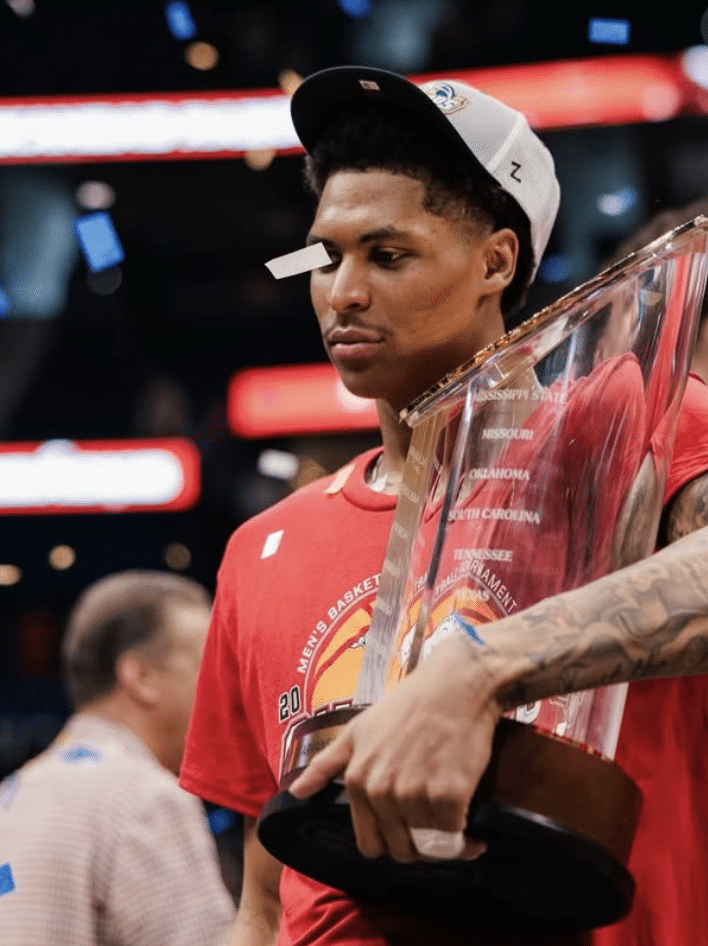
Photo via @leek / Instagram
Thomas adds much-needed backcourt creation and scoring punch. He is an aggressive shot-maker who can generate offense in isolation and transition.
Player comparison: Coby White / Collin Sexton
29. Cleveland Cavaliers: Joshua Jefferson, Iowa State
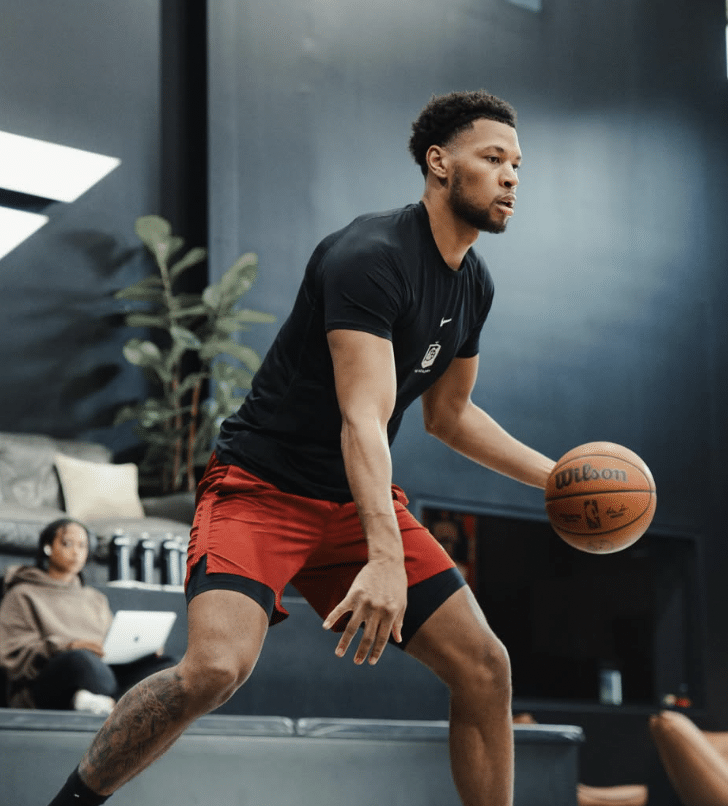
Photo via @joshua_jefferson5 / Instagram
Jefferson is a high-IQ forward who impacts winning through defense, rebounding, and connective play. He fits seamlessly into Cleveland’s rotation as a versatile bench forward.
Player comparison: Josh Hart / Kyle Anderson
30. Dallas Mavericks: Sergio De Larrea, Spain

Photo via @sergiodelarreaa / Instagram
De Larrea is a developmental lead guard who controls tempo and makes advanced reads. His size and feel give him long-term upside as a rotation playmaker.
Player comparison: Jose Calderon / Ricky Rubio
This class won’t be defined on draft night. It’ll be defined years later when the projections turn into reality. Some teams will land foundational pieces, others will gamble on upside and miss. But that’s the nature of this draft: high risk, high reward, and no clear answers. When the dust settles, the real winners will be the teams that trusted their evaluations and weren’t afraid to swing big.
Related Posts