
Are the Dodgers Ruining Baseball? The Real Problem Isn’t Los Angeles

Photo via @mlb.fits / Instagram
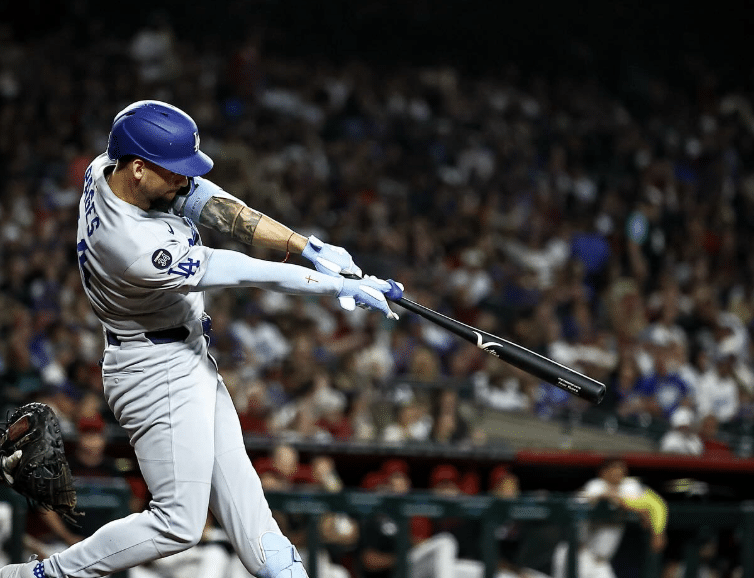
The back-to-back World Series champion Los Angeles Dodgers have become the standard by which every franchise in Major League Baseball is measured. Their ownership isn’t afraid to spend, they consistently develop talent through one of the game’s deepest farm systems, they draft well, and they have built one of the most successful organizations in professional sports.
As a result, many baseball fans are asking the same question:
Are the Dodgers ruining baseball?
The short answer is no.
The better question is: Who’s really to blame?
On August 1, 2026, that debate reached another level when the Dodgers acquired elite starting pitcher, and arguably the best pitcher in baseball, Tarik Skubal from the Detroit Tigers in exchange for outfield prospect Zyhir Hope (No. 25 overall prospect in baseball and No. 5 in the Dodgers’ farm system), pitcher River Ryan (No. 68 overall prospect and No. 7 in the organization), and Brady Smith (No. 17 in the Dodgers’ system).
From a baseball fan’s perspective, the trade was shocking.
Despite Skubal dealing with injuries this season and becoming a free agent after the World Series, most people expected Detroit to demand one of the biggest prospect hauls in recent memory. Instead, the Dodgers landed one of baseball’s premier pitchers without sacrificing the core of their elite farm system.
Even if Los Angeles is unable to re-sign Skubal this offseason, the organization is still positioned for sustained success because of the depth it has built over the last decade.
River Ryan, 28, has already battled injuries throughout his career and owns a 4.46 ERA across 36 innings in Triple-A this season. Hope remains one of baseball’s most exciting young hitters thanks to his power, but he has also struck out in roughly 25% of his plate appearances in Double-A. Both players have talent, but for a pitcher of Skubal’s caliber, the return feels surprisingly light.
Not surprisingly, baseball fans erupted following the trade.
Many already believe Major League Baseball is headed toward another labor dispute after the current collective bargaining agreement expires. The biggest points of disagreement remain the possibility of a hard salary cap, the MLB Players Association’s continued opposition to that proposal, and the widening financial gap between organizations willing to spend aggressively and those that choose not to.
Whether fair or not, the Skubal trade has only intensified those conversations.
Are the Dodgers Really to Blame?
Partially.
But only partially.
At the end of the day, the Dodgers are simply doing what every ownership group should strive to do: invest in their roster, maximize every available resource, and put the best possible team on the field.
No one criticizes a front office for drafting well.
No one criticizes a team for developing prospects.
So why should the Dodgers be criticized for spending money when the rules allow them to?
If Los Angeles is fully healthy entering October, it’s difficult to argue that anyone has a more talented roster.
A postseason rotation featuring Tarik Skubal, Yoshinobu Yamamoto, Blake Snell, Tyler Glasnow, Roki Sasaki, Justin Wrobleski, and Emmet Sheehan is almost unfair on paper. Health remains the biggest question, but if that group stays intact, another World Series title becomes a very realistic possibility.
The Milwaukee Brewers, Tampa Bay Rays, and several other small-market clubs also possessed the prospect capital to acquire Skubal. In fact, some organizations likely could have offered stronger prospect packages than the Dodgers ultimately did.
The difference wasn’t the prospects.
The difference was money.
Those teams were unwilling to take on Skubal’s salary or risk watching him leave in free agency after only a few months. That’s a reasonable business decision, but it also shouldn’t become criticism directed toward the Dodgers.
Los Angeles simply took advantage of an opportunity that other teams chose not to pursue.
Other Organizations Helped Build This Dynasty
The Dodgers didn’t create this situation by themselves.
Other organizations played a significant role in building this powerhouse.
The Boston Red Sox traded away Mookie Betts after failing to meet his contract expectations.
The Atlanta Braves allowed Freddie Freeman, the face of their franchise, to leave shortly after winning a World Series.
The Los Angeles Angels failed to surround Shohei Ohtani with a consistently competitive roster despite employing one of the most gifted players the sport has ever seen.
Those weren’t Dodgers decisions.
They were mistakes made by other organizations.
The Dodgers simply capitalized on them.
That’s what great franchises do.
The Bigger Problem
The real issue isn’t the Dodgers.
The real issue is baseball’s economic structure.
Some organizations view winning as the top priority.
Others operate with tighter payrolls, prioritize long-term financial flexibility, or simply choose not to spend at the same level.
As long as those philosophies continue to exist, the gap between baseball’s biggest spenders and its lowest-spending clubs will remain a topic of debate.
That’s why so many people believe the next round of collective bargaining negotiations could become one of the most important in recent league history.
The discussion shouldn’t center solely on whether the Dodgers spend too much.
It should focus on whether Major League Baseball has created a system that allows competitive balance to thrive while still rewarding organizations that are committed to winning.
Final Thoughts
The Dodgers aren’t ruining baseball.
They’re taking full advantage of the system Major League Baseball has created.
They’re drafting well.
They’re developing talent.
They’re spending money.
They’re retaining stars.
And when other organizations make mistakes, they’re ready to capitalize.
That’s what every franchise should aspire to do.
If fans are frustrated by the Dodgers’ dominance, the blame shouldn’t rest solely with Los Angeles. It should also be directed toward the organizations that continue to let elite talent walk away and toward a league whose financial structure has allowed this divide to grow.
The Dodgers didn’t break baseball.
They simply mastered it.
Related Posts